Circular Floral Designs: A Designer's Real-World Review
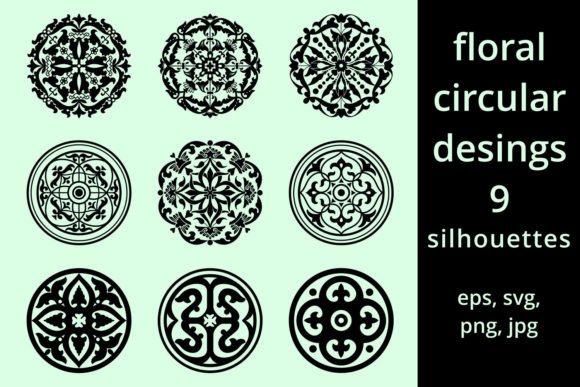
When I first opened the Circular Floral Designs set, my immediate reaction wasn't about the technical specs or the vector format. It was about the mood. There is a specific kind of calm and elegance that comes from a perfectly balanced circle filled with organic floral silhouettes. As someone who spends hours evaluating graphics for real-world application, I look past the pretty picture on the screen to ask one critical question: how will this translate when stitched into thread? This collection of nine vector silhouettes isolated on white feels less like a generic clip art pack and more like a curated selection of design assets ready for serious craft business use.
The First Stitch: Visual Personality and Mood
The circular shape is a powerful tool in embroidery design. Unlike square or rectangular layouts that can feel rigid, circles draw the eye inward and create a sense of completeness. The floral ornaments within these shapes possess a delicate yet distinct personality. They aren't overly busy, which is a huge plus for machine embroidery. When you are working with satin stitch or fill stitch, too much detail often turns into a muddy blob once the needle hits the fabric. These silhouettes strike a sweet spot—they have enough character to stand out but enough negative space to breathe.
I imagine seeing this design on a custom embroidered tote bag or a baby onesie. The round motif creates a natural focal point that doesn't compete with text or other elements. It suggests a boutique aesthetic, perfect for small shop products where brand consistency matters. Whether you are an Etsy seller looking to refresh your listings or a handmade product creator aiming for a professional finish, the visual appeal of Circular Floral Designs offers a level of sophistication that elevates the perceived value of the finished item.
Real-Life Application: From Screen to Fabric
Let's talk about a scenario I encounter frequently: preparing a batch of personalized gifts for a holiday market. You need designs that are versatile enough to work on various fabrics without losing their integrity. I tested the concept of these circular florals mentally against several potential projects. For a sweatshirt embroidery project, the design would look fantastic centered on the chest or placed as a subtle graphic on the sleeve. The clean lines would hold up well against the texture of fleece or cotton blends.
Consider a nursery decor item, such as a pillow cover or a wall hanging. The soft curves of the flowers paired with the geometric circle create a timeless look that fits both modern and traditional interiors. If you are making embroidered patches for jackets or aprons, this design provides a contained area that is easy to stabilize and cut out. It works equally well as a digital embroidery file for laser engraving on wood tags or creating decals for kitchen towels. The versatility here is what makes it a valuable addition to any designer's library of design assets.
For those selling handmade goods, the ability to offer customization is key. You could place a monogram inside the center of the flower arrangement or use different thread colors to match a client's color palette. The isolation of the vectors means you can easily resize them for different hoop sizes without worrying about cropping essential details. This flexibility is crucial for commercial embroidery where client demands vary wildly.
Where Caution Is Required
While the design is promising, no single asset is perfect for every situation. As an experienced reviewer, I must highlight where Circular Floral Designs might face challenges. One of the primary concerns is the size of the final output relative to the complexity of the stitches. If you attempt to stitch this design in a very small hoop size, the intricate details of the floral silhouettes may get lost or become difficult to register accurately. Tiny lettering or fine lines within the petals might require a high stitch count, which can lead to puckering if the stabilizer isn't chosen correctly.
Fabric choice is another critical factor. On stretchy fabrics like jersey or thin materials like silk, the tension required for a dense floral pattern can cause distortion. You would need a heavy-duty stabilizer to support the weight of the threads. Similarly, on dark fabrics, the white background of the original vector illustration won't show through unless you plan to use a substantial underlay or a contrasting thread color. If you are working with textured fabrics, the definition of the design might be softened by the surface irregularities.
Curved surfaces, such as caps or hats, present their own unique difficulties. While the circular shape is naturally suited for curved areas, the flat nature of the vector silhouette needs to be mapped carefully to the curvature of the hat to avoid stretching issues. Additionally, for products that need frequent washing, such as kitchen towels or baby clothes, the density of the fill stitches should be reviewed to ensure durability. Over-stitching can make the fabric stiff and prone to tearing over time.
Practical Notes for the Embroidery Designer
If you are planning to incorporate this set into your workflow, there are several steps to take before hitting the "start" button on your machine. First and foremost, always test the design on scrap fabric. This simple step allows you to check thread color contrast and review stitch density without risking a customer's garment. Pay close attention to how the satin stitch behaves at the edges of the floral shapes; sometimes, sharp corners need to be rounded digitally to prevent thread breaks.
Inspect the small details closely. If the design includes tiny gaps between petals, ensure your machine can handle the jump stitches effectively. It is also wise to test the design in black and white mockups to see how the shapes read without the distraction of color. Compare how the design looks on light versus dark backgrounds, as the visual impact changes significantly based on the underlying material.
Don't forget to confirm the licensing terms. Many digital products come with restrictions on how they can be used, especially for commercial embroidery projects or when selling finished items. Verify whether you can sell the physical products made with this design or if you are limited to personal use. Also, double-check the file formats to ensure compatibility with your specific embroidery software and machine.
Final Thoughts on Value and Trust
In the world of handmade products and craft businesses, quality is everything. Customers can tell the difference between a rushed job and a thoughtfully designed piece. Using a well-composed design like Circular Floral Designs signals professionalism and attention to detail. It builds trust with buyers who are looking for high-quality, durable, and aesthetically pleasing items.
Whether you are creating a unique gift for a loved one, launching a new line of apparel, or expanding your Etsy shop inventory, this set offers a solid foundation. It balances artistic flair with practical execution. By understanding its strengths and respecting its limitations regarding fabric and hoop size, you can turn these vector silhouettes into stunning finished products that customers will love. The transition from a digital graphic to a tactile embroidered piece is where the magic happens, and with the right preparation, Circular Floral Designs is more than capable of delivering that magic.