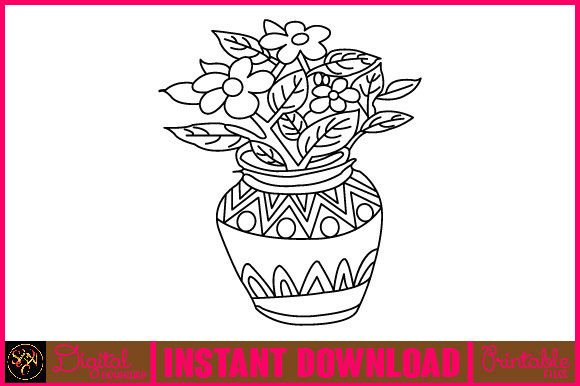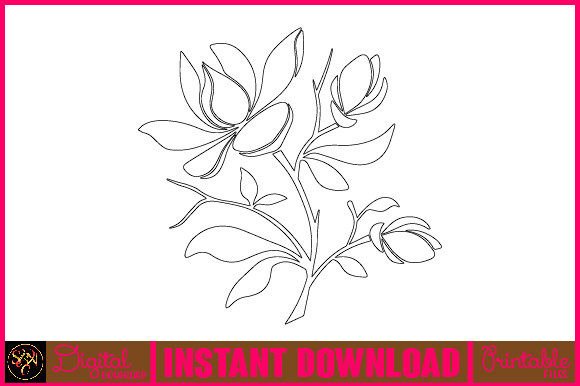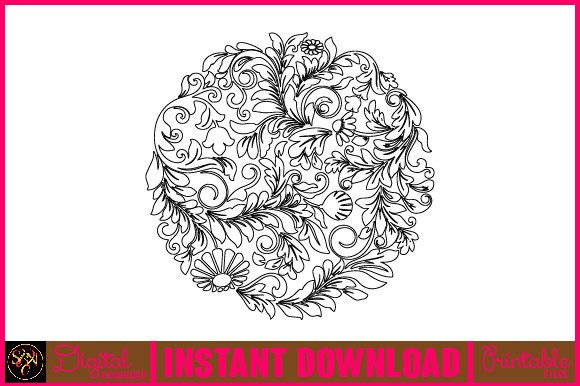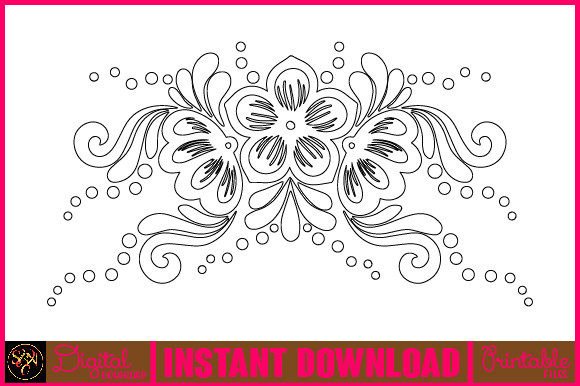
Floral Line Art Flower SVG Elements 56 Review
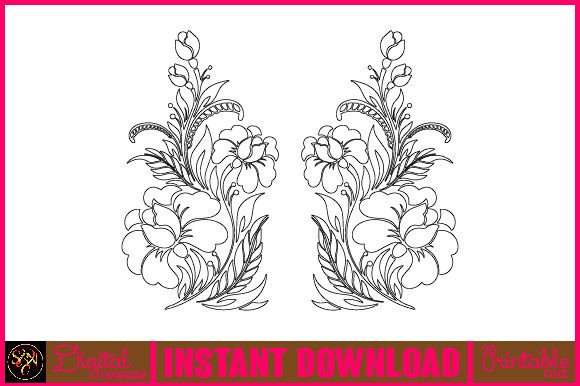
As a designer who spends hours troubleshooting stitch density and selecting the right stabilizer, I don't just look at graphics; I evaluate how they translate into thread. When Floral Line Art Flower SVG Elements 56 landed on my desk, I wasn't looking for another generic floral clipart to slap onto a tote bag. I was hunting for something with enough character to stand out in a crowded Etsy shop but simple enough to stitch cleanly without causing machine jams or puckering. The description mentions hand-drawn elements, branches, and calligraphic touches, which immediately sparked my interest. It feels like a design that belongs in a boutique setting rather than a mass-produced factory item.
The First Impression: Mood and Visual Personality
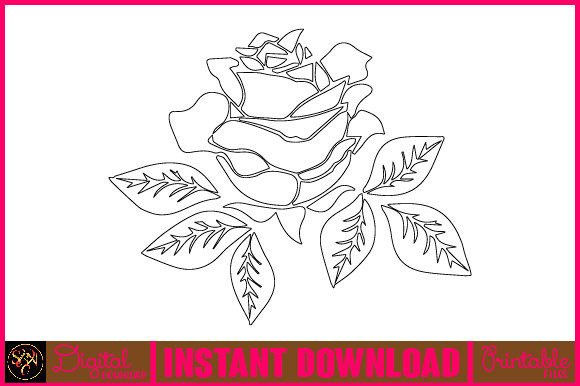
The moment you open the file, the mood is distinctly botanical yet modern. Unlike dense, heavy fill-stitch designs that scream "grandma's quilt," this piece relies on the elegance of line art. The branch structure provides a natural flow, while the scattered flower sketches and leaves offer a sense of organic randomness that is hard to achieve by hand. For an embroidery designer, this is gold because it suggests a project that feels bespoke. The inclusion of frames and calligraphic elements hints at versatility; you aren't limited to just stitching a flower. You could frame a name, create a monogram, or build a custom logo for a small business.
This design creates a feeling of lightness and airiness. It doesn't try to be loud. Instead, it whispers quality. In the world of handmade products, where customers are often overwhelmed by busy patterns, a clean line-art approach can actually command a higher price point because it looks more sophisticated and less cluttered. It fits perfectly into the current trend of minimalism in home decor and apparel.
A Real-World Test: The Custom Tote Bag Project
To truly understand the potential of Floral Line Art Flower SVG Elements 56, I decided to run a practical test scenario. Imagine you are preparing a batch of custom embroidered tote bags for a local craft fair or a holiday gift set for a client. You want something that looks professional but isn't so complex that it takes three days to stitch.
I visualized placing the main branch element on the front pocket of a canvas tote. The linear nature of the design means it won't require massive amounts of underlay or heavy fill stitches, which keeps the fabric flexible. If you were using this for a sweatshirt, the design would sit beautifully across the chest without adding too much weight or stiffness. The running stitches inherent in line art allow the fabric to breathe, which is crucial for garments that need to drape well.
For a baby item, like a onesie or a nursery pillow cover, this design offers a soft, gentle aesthetic. The lack of sharp, jagged edges makes it safe and visually soothing. However, if you are thinking about an embroidered patch or a cap, the curved surface of a hat might challenge the straight lines of the branch. You would need to adjust the digitization slightly to accommodate the curve, ensuring the flowers don't distort when stitched onto the rounded dome.
Where This Design Shines in Embroidery Projects
The versatility of this file extends beyond just single items. It is an excellent asset for creating cohesive branding for a small shop product line. Think of using the floral wreath element as a border on a kitchen towel, or perhaps as a decorative accent on an apron for a baker selling homemade goods. The line art style translates exceptionally well to machine embroidery design applications where clarity is key.
When used for commercial embroidery projects, such as personalized gifts or boutique merchandise, the clean lines ensure high recognition. Customers appreciate designs that look crisp and intentional. Because the design includes various elements like leaves, flowers, and frames, you can mix and match them to create unique variations for different clients without buying new files. This efficiency is vital for Etsy sellers and creative entrepreneurs who need to scale their production without sacrificing quality.
The design also works wonders for digital product previews. Since it is a graphic file, you can easily create printable mockups to show potential buyers what the finished product will look like. The contrast between the black lines and the white background (or any color) makes it easy to visualize on different fabric textures. Whether you are selling a tote bag design or a sweatshirt embroidery package, having a versatile source file like this saves time and money.
Caution Areas: Where to Be Careful
Despite its elegance, there are specific scenarios where Floral Line Art Flower SVG Elements 56 requires careful handling. Small hoop sizes can be tricky with detailed line work. If you attempt to stitch this in a very tight area, the fine details of the petals or the tips of the leaves might get lost or merge together. Always check your hoop size against the dimensions of the design before committing to a final project.
Textured fabrics pose another challenge. While linen and cotton blend well with line art, highly textured materials like chunky knits or bouclé can obscure the delicate strokes. Thin or stretchy fabrics also need extra attention. Without proper stabilizer support, the tension from the satin or running stitches could cause the fabric to pucker, ruining the clean lines that make this design special. Dark fabrics require a specific choice of thread colors; if you use dark thread on dark fabric, the design might disappear entirely. Conversely, light thread on dark fabric needs a strong underlay to prevent the base fabric from showing through the thin lines.
Dense stitch areas should be avoided if possible. Line art is meant to be airy. If the digitization pushes too much density into the stems or leaves, it defeats the purpose of the sketch-like aesthetic. Additionally, if you are working on curved surfaces like caps, remember that the design may need to be warped or adjusted to fit the curvature without distorting the proportions of the flowers.
Practical Designer Notes for Success
Before you rush to start stitching, take a moment to review the technical aspects. Testing the design on scrap fabric first is non-negotiable. This allows you to see how the thread colors interact with your specific fabric texture and whether the stitch density is appropriate. Check the thread colors to ensure there is enough contrast for the design to pop.
If you plan to sell finished items, confirm the licensing terms immediately. Some digital files are restricted to personal use only, while others allow commercial application. Using a file without the correct license can lead to serious legal issues for your craft business. Also, inspect the small details closely. Are the corners of the leaves defined? Is the calligraphy legible? Sometimes, vector files need minor adjustments to ensure they stitch perfectly.
Finally, consider the longevity of the product. For items that need frequent washing, like kitchen towels or custom apparel, ensure the design is secure and the stitches are durable. A beautiful design that unravels after two washes will hurt your reputation. By paying attention to these details, you ensure that your finished product reflects the professionalism and care you put into your brand.
In conclusion, Floral Line Art Flower SVG Elements 56 is a strong contender for anyone looking to elevate their embroidery portfolio. Its hand-drawn charm and structural flexibility make it suitable for everything from holiday embroidery to wedding gifts. Just remember to respect the limitations of the medium, test thoroughly, and let the simplicity of the design do the talking.