Floral Line Art Flower SVG Elements 67 Review
As a designer who spends more time troubleshooting stitch density than actually sleeping, I approach every new freebie with a mix of hope and healthy skepticism. The market is flooded with generic clipart disguised as embroidery-ready files, so finding something that bridges the gap between digital aesthetics and mechanical stitching requirements is rare. That is why I took Floral Line Art Flower SVG Elements 67 for a spin before committing it to any client projects or personal inventory. This isn't just about how pretty the preview looks on a screen; it is about whether this machine embroidery design will survive the hoop, the tension dial, and the reality of mass production.
First Impressions: Mood and Visual Personality
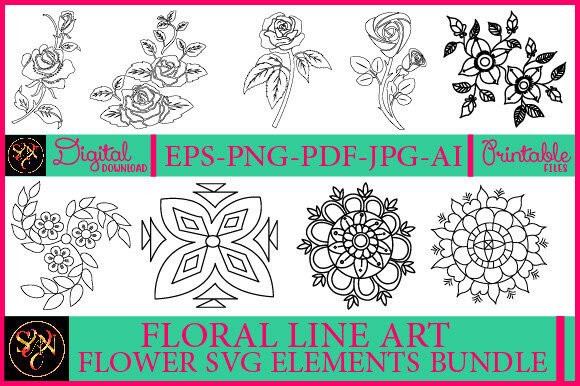
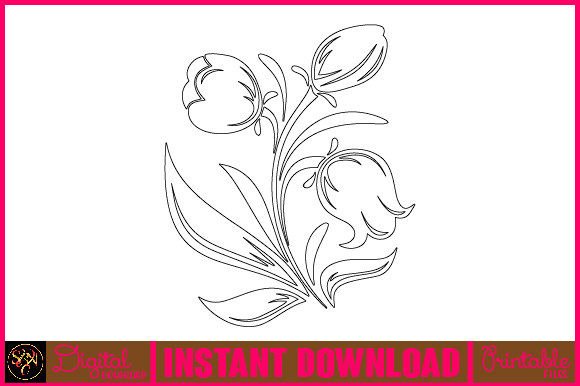
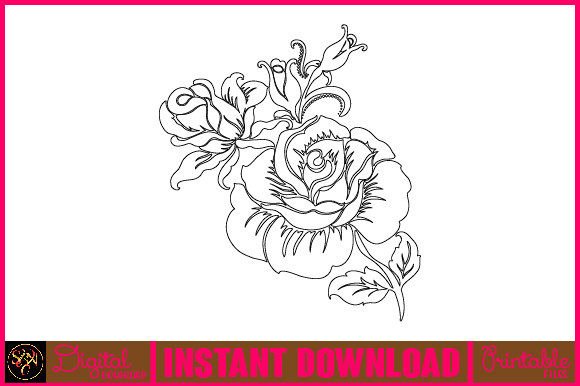
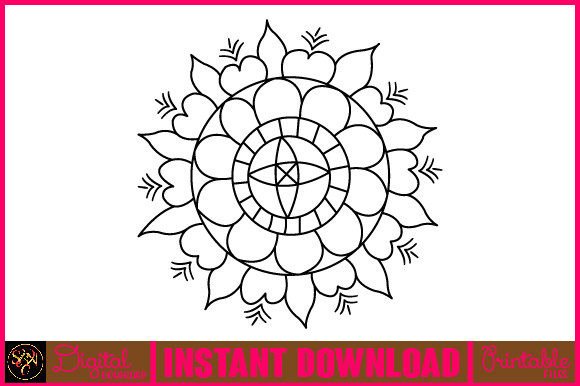
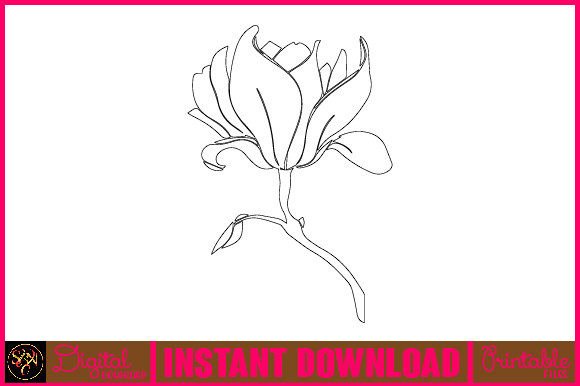
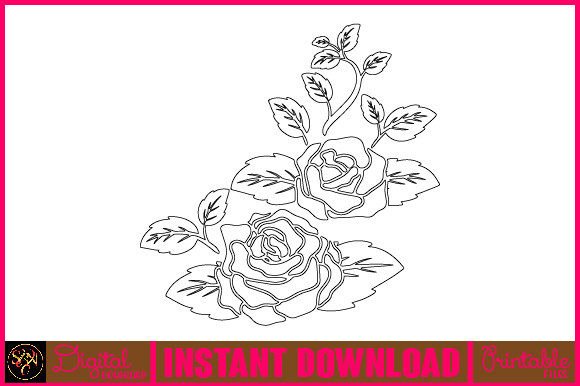
The moment you open the file, the aesthetic is immediately distinct. Unlike the heavy, solid fill designs that dominate the commercial sector, this piece leans into negative space. The description highlights "hand drawn floral wreath" elements and "calligraphic" touches, which suggests a delicate, organic flow rather than rigid geometry. In practice, this translates to a design that feels airy and sophisticated. It creates a mood of effortless elegance, perfect for brands that want to project a boutique, artisanal vibe without looking cluttered.
The line art style relies heavily on the integrity of the path. For an embroidery file, this means the lines must be clean enough to read when stitched in satin or running stitch, but not so thin that they disappear into the fabric weave. Visually, the branch structure provides a natural anchor, allowing the eye to travel through the composition. It feels less like a static image and more like a living sketch brought to life. This visual personality makes it exceptionally versatile, fitting seamlessly into categories ranging from high-end wedding gifts to casual everyday carry items.
Real-World Application: From Screen to Stitch
To truly evaluate the utility of Floral Line Art Flower SVG Elements 67, we have to look at where it lives in the physical world. I ran this concept through several common small business scenarios to see how it performs under pressure.
- Custom Apparel and Sweatshirts: On a heavyweight cotton sweatshirt, this design shines. The line art style complements the texture of the fabric without overwhelming it. It works beautifully as a centered chest logo or a larger back print. Because the design is not overly dense, it allows the fabric's natural drape to remain intact, preventing that stiff, plasticky feel that customers often dislike in cheaply embroidered garments.
- Tote Bags and Canvas Goods: A classic use case for line art. When applied to a canvas tote, the contrast between the thread and the woven material adds depth. The "botanical leaf" and "decorative floral picture" elements frame the bag nicely, turning a plain accessory into a branded statement piece. It elevates the perceived value of the item, making it suitable for an Etsy seller looking to justify a higher price point.
- Baby Items and Nursery Decor: The soft, hand-drawn quality of the flowers and sketches is gentle and appropriate for baby clothes, burp cloths, or nursery wall hangings. It avoids the loudness of cartoonish designs, offering a timeless look that parents appreciate. As a personalized gift, it adds a touch of warmth that resonates with buyers seeking meaningful handmade products.
- Holiday Embroidery and Gifting: During peak seasons, this design can be adapted for various holidays by simply changing the thread colors. A deep red or forest green thread on white fabric instantly transforms the botanical theme into a Christmas centerpiece, while pastels work for Easter or spring weddings. Its adaptability makes it a smart asset for a craft business trying to maximize inventory versatility.
Strategic Placement: Where to Use Caution
While the design has broad appeal, no single file is a magic bullet. There are specific contexts where Floral Line Art Flower SVG Elements 67 requires careful consideration to avoid a disappointing finished product.
Small hoop sizes are the first hurdle. If the design contains intricate calligraphic details or tiny leaf veins, shrinking it down too far can result in muddy stitching. On curved surfaces like caps or hats, the tension can pull the delicate lines out of alignment, causing the branch structure to warp. Similarly, textured fabrics like chunky knits or terry cloth can hide the fine details of the line art, making the design look incomplete or broken.
Stretchy fabrics also pose a risk. Without proper stabilizer support, the running stitches may pucker or distort as the fabric moves. Additionally, dark fabrics can challenge the visibility of light-colored threads, so color contrast testing is non-negotiable. For these reasons, this design is best reserved for stable, medium-weight fabrics where the stitch definition can remain crisp and clear.
Impact on Brand and Customer Trust
In the world of commercial embroidery, presentation is everything. Using a well-executed line art design like this one signals professionalism. It shows that the maker cares about detail and aesthetic cohesion. When a customer receives a handmade product featuring clean, precise stitching, their trust in the brand increases. They perceive the item as higher quality, even if the underlying materials are simple.
This design also enhances brand consistency. Because it is graphic and recognizable, it works well across multiple touchpoints—from the actual embroidery on a garment to the printable mockup used in online listings. Buyers engage more with visuals that are clear and uncluttered, and this design delivers exactly that. It helps your small shop product stand out in a crowded marketplace by offering a refined alternative to busy, chaotic patterns.
Practical Designer Notes for Success
Before you hit the start button on your machine, there are a few critical steps to ensure Floral Line Art Flower SVG Elements 67 performs as intended. First, always test the design on scrap fabric that matches the weight and stretch of your final project. This allows you to adjust stitch density and check for potential issues before wasting good materials.
Review the hoop size carefully. Ensure your design fits comfortably within your chosen hoop dimensions, leaving room for any necessary digitizing adjustments. Inspect the small details closely; if certain lines appear too fragile, consider converting them to a slightly heavier stitch type or simplifying the path. Testing in black and white mockups can also help you verify that the design holds up without the distraction of color.
Finally, confirm your licensing terms. Since this falls under the Freebies category, usage rights can vary. If you plan to sell finished items or use this as part of a digital product, double-check that commercial use is permitted. Proper attribution or adherence to specific rules protects your reputation and legal standing. By taking these practical steps, you transform a simple graphic download into a reliable, high-value asset for your creative workflow.