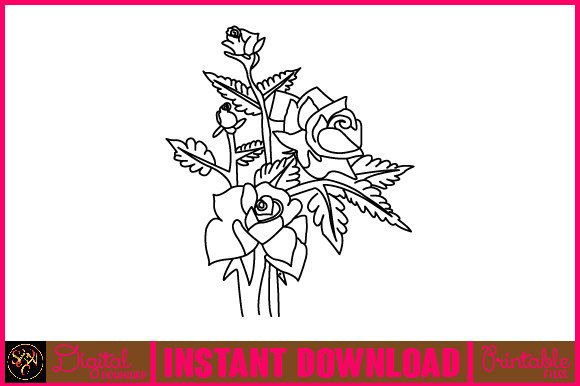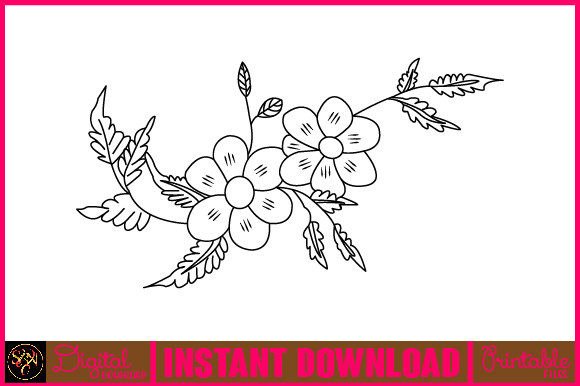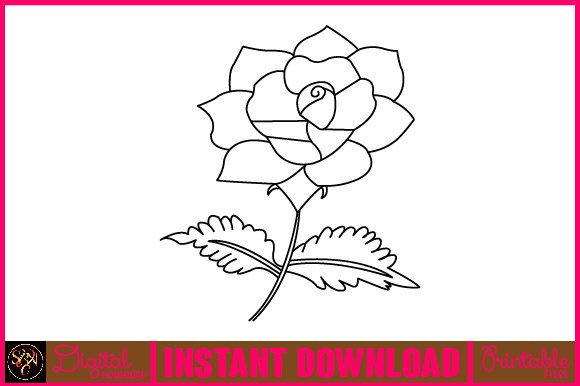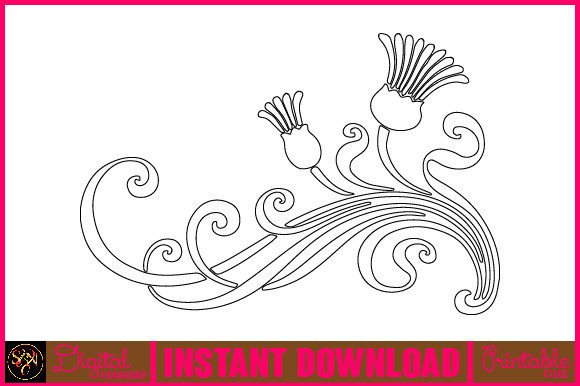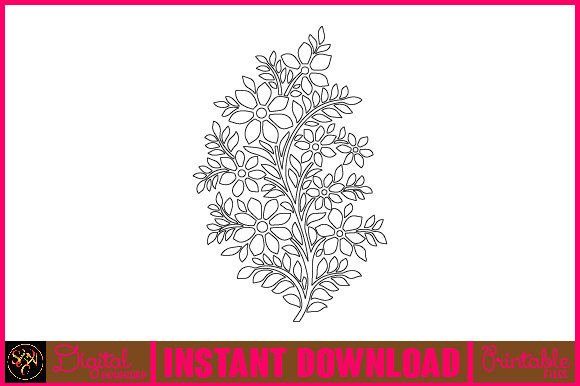
Japanese Flower Drawing. Floral Bud Line Graphics and Illustrations
As a digital product creator who spends hours optimizing listings for Etsy, Creative Fabrica, and Shopify, I have learned that the difference between a listing that converts and one that gathers dust often comes down to the quality of the base asset. Recently, I evaluated a graphic design asset titled Japanese Flower Drawing. Floral Bud Line. This collection features delicate line art isolated on a white background, available in EPS, JPG, SVG, and transparent PNG formats. Instead of simply adding it to my library, I put it through a rigorous testing phase to see how it performs as a commercial design for sellable products.
The goal was to determine if this illustration could serve as a versatile core element for a new seasonal collection targeting crafters, print-on-demand sellers, and small business owners. Below is my honest assessment of its potential, practical applications, and the specific risks to watch for when using this digital product.
First Impressions and Niche Appeal
When you first load the files, the visual personality of the Japanese flower drawing. Floral bud line art isolated on white background EPS, JPG, SVG, transparent PNG strikes you as minimalist yet elegant. The lines are clean, precise, and carry a serene aesthetic that aligns perfectly with current trends in wellness, mindfulness, and botanical decor. Unlike busy floral patterns or heavily shaded watercolors, this clipart relies on negative space and fine detail, giving it a premium feel.
This style appeals strongly to buyers looking for sophisticated, understated designs. It fits seamlessly into niches such as yoga studio branding, artisanal packaging, nursery decor, and modern stationery. For Etsy product sellers, this aesthetic helps build a cohesive brand identity that feels both handmade and professionally curated. The simplicity of the line work makes it highly adaptable, allowing creators to add color, texture, or typography without overwhelming the original artwork.
Real-World Product Applications
To test the versatility of these assets, I imagined integrating them into various product categories across different platforms. Here is where the SVG design and PNG design files shine:
- Print-on-Demand Merchandise: The clean lines work exceptionally well for t-shirt design projects, especially when paired with bold serif fonts for motivational quotes. They also translate beautifully to mug design graphics and tote bag prints, where the lack of complex shading ensures the image remains crisp at various scales.
- Crafting and Cricut Projects: For users of cutting machines, the vector files are crucial. The SVG design versions allow for perfect scaling and clean cut lines, making them ideal for vinyl decals, sticker sheets, and wooden signs. However, care must be taken with the thinnest lines to ensure they do not tear during weeding.
- Digital Downloads and Planners: These illustrations are perfect for creating printable wall art or planner stickers. As a printable design, the high-resolution PNGs hold up well against light backgrounds, offering a soft, decorative touch to daily planners or bullet journals.
- Canva Templates and Social Media: Designers can use these elements to create Canva template kits for wedding invitations or event announcements. The transparent PNGs make layering easy, allowing for quick assembly of social media graphics that maintain a consistent visual hierarchy.
- Sublimation and Packaging: For those selling physical goods, these assets can be incorporated into packaging design elements, such as gift tags or tissue paper prints. The delicate nature of the sublimation design adds a touch of luxury to small business branding.
Enhancing Product Presentation and Mockups
In the crowded world of creative marketplace listings, your thumbnail and mockup previews are your first line of defense. A poorly presented asset can look flat or low-quality, regardless of its actual resolution. The Japanese Flower Drawing. Floral Bud Line benefits greatly from strategic presentation.
Because the lines are thin and delicate, placing the design on a plain white background in a thumbnail can cause it to disappear visually. To maximize click-through potential, I recommend using textured backgrounds, such as linen, kraft paper, or soft pastel gradients. This enhances the perceived value and helps the eye track the intricate details of the illustration.
Furthermore, grouping these assets into a design bundle increases their appeal. Selling a set of five to ten variations—such as single buds, clusters, or framed arrangements—allows customers to create cohesive collections. This strategy not only boosts average order value but also positions your shop as a comprehensive resource for small business branding needs.
Strategic Placement in Layouts
These assets work best in layouts that prioritize whitespace. They are excellent for decorative borders, corner accents, or central focal points in greeting cards. When used in product mockup previews, ensure the design is scaled appropriately so the line weight remains visible. Overcrowding the design with too many other elements can dilute its elegance and reduce its impact.
Where to Use with Caution
No asset is universally perfect, and there are specific scenarios where this digital download may present challenges:
- Tiny Sticker Details: If you plan to create very small die-cut stickers (under 1 inch), the fine lines may become indistinct or difficult to cut accurately. Always test the output size before publishing.
- Dark Backgrounds: Since the source files are provided on a white background, using them on dark themes requires careful isolation of the transparent PNG. Any leftover white pixels will ruin the aesthetic. Ensure you check the edges closely.
- Low-Resolution Print Products: While the vector files are scalable, the raster images (JPG/PNG) must be checked for DPI. Using low-res files for large-format prints like banners or posters will result in pixelation. Stick to high-resolution versions for any large-scale application.
- Text-Heavy Templates: Because the design is subtle, it can get lost if surrounded by heavy typography or busy patterns. Maintain a clear visual hierarchy by letting the illustration breathe.
Practical Seller Notes for Quality Control
Before uploading this asset to your store, follow these steps to ensure professionalism:
- Test on Real Mockups: Do not rely solely on the raw file preview. Place the design on a mockup of a tumbler wrap or a journal cover to see how it interacts with shadows and curves.
- Verify File Integrity: Open the SVG in your cutting software to inspect the node paths. Ensure there are no stray anchor points that could cause cutting errors. Check the PNG transparency to guarantee no white halos remain around the edges.
- Font Pairing: Experiment with different typefaces. A classic serif font complements the traditional Japanese aesthetic, while a modern sans serif font can give it a contemporary twist. Avoid overly ornate scripts that might compete with the delicate lines.
- Commercial License Confirmation: Always read the terms of service. Confirm that you have the right to use the asset in end-products for sale. Some licenses restrict the number of physical copies or require attribution.
- File Organization: Organize your customer deliverables clearly. Provide separate folders for vectors, high-res PNGs, and usage instructions. This reduces customer support queries and improves buyer satisfaction.
Ultimately, the Japanese Flower Drawing. Floral Bud Line is a strong addition to any creator’s toolkit. Its elegance and versatility make it suitable for a wide range of design assets aimed at the modern consumer. By testing it thoroughly and presenting it with professional mockups, you can leverage this graphic design asset to build a trustworthy, high-converting online shop.