Natural Floral Element. Decorative Black Review
As a designer who spends more time staring at digitized patterns than sleeping, I approach every new embroidery file with a mix of optimism and skepticism. The market is flooded with generic clipart that looks fine on a screen but falls apart under the needle. That is why I take my time evaluating assets like Natural Floral Element. Decorative Black before committing them to fabric. This piece isn’t just another decorative border; it’s a specific visual statement that requires careful consideration for real-world application.
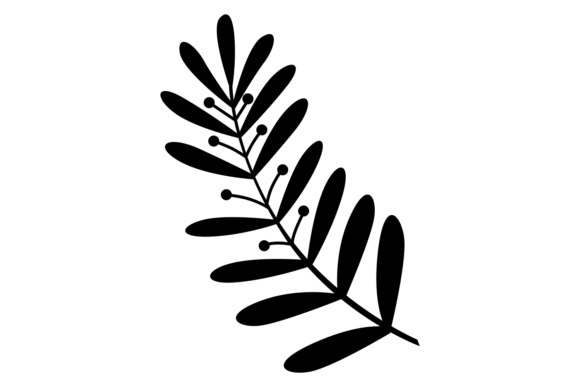
The description highlights a natural floral element isolated on a white background, available in vector formats like EPS, JPG, SVG, and transparent PNG. While the source is technically an illustration or graphic asset, my job is to translate that into a functional machine embroidery design. When I first looked at the silhouette of this black plant branch, I didn’t see a simple line drawing. I saw potential for high-contrast elegance, provided we handle the execution correctly. The mood is organic yet structured, leaning towards modern botanical aesthetics rather than traditional vintage florals. It feels clean, sophisticated, and versatile enough for both personal hobby projects and serious craft business inventory.
Visual Impact and Design Personality
The strength of Natural Floral Element. Decorative Black lies in its negative space and line weight. In embroidery, what you don’t stitch is often as important as what you do. Because the source is a solid black shape isolated on white, it suggests a design that relies heavily on outline work or applique techniques. If digitized as a dense fill, it might look muddy. But if treated as a crisp outline using satin stitches or a well-placed running stitch, it offers a sharp, graphic quality that reads beautifully from a distance.
This visual personality makes it ideal for brands that value minimalism and clarity. It doesn’t scream for attention; it whispers with confidence. For an Etsy seller or boutique owner, this kind of understated design often performs better than overly complex scenes because it appeals to a broader audience. It feels timeless. A customer buying a handmade item today likely wants something that won’t look dated in three years. This botanical branch has that longevity. It pairs effortlessly with typography, making it a strong candidate for custom apparel where text and image need to coexist without fighting for dominance.
Real-World Application: From Screen to Stitch
Let’s talk about how this translates to actual products. Imagine preparing a custom embroidered tote bag for a client who runs a yoga studio or a bookshop. Placing Natural Floral Element. Decorative Black vertically along the side seam or centered on the front panel creates a striking focal point. The black-on-white contrast (or black-on-neutral) ensures the design pops against canvas or cotton fabrics. It adds a touch of professionalism that elevates a basic tote into a branded accessory.
Consider also the use case for baby items. Embroidered onesies and burp cloths are staples in the handmade market. A delicate, thin-lined floral branch can be stitched softly onto a pale grey or cream blanket, offering a gender-neutral decor option for nursery walls. The simplicity of the design means it won’t overwhelm the small scale of a baby garment. However, this brings us to a critical point about scale and detail.
I also envision this design working exceptionally well as an embroidered patch. Because the source is isolated, it lends itself perfectly to applique methods. You could cut the shape from black felt or fabric, stitch around the edges with a thick satin stitch, and attach it to denim jackets, caps, or aprons. This adds texture and dimension, turning a flat graphic into a tactile, premium product. Customers perceive higher value in items with mixed textures, and this technique allows Natural Floral Element. Decorative Black to shine in a way that flat stitching cannot.
Sweatshirts and Custom Apparel
For sweatshirt embroidery, this design works best when used as a chest logo or a back yoke accent. The clean lines of the branch complement the casual, relaxed vibe of knit fabrics. It bridges the gap between sporty and chic. When designing for custom apparel, remember that the fabric texture matters. On a smooth jersey, the lines will appear crisp. On a heavy fleece, you may need to adjust your stabilizer choice to prevent puckering, ensuring the delicate curves of the leaves remain distinct.
Where Caution Is Required
No design is universally perfect, and Natural Floral Element. Decorative Black has specific constraints that designers must respect. First, consider the hoop size. If you attempt to digitize this into a tiny area, such as on a cap brim or a small wrist cuff, the details may disappear. Thin lines can break or merge during stitching if the hoop size is too restrictive. Always test the scaling carefully. If the design relies on subtle variations in leaf width, shrinking it down 50% might turn those nuances into a blob.
Fabric choice is equally critical. This design assumes a certain level of stability. Using it on stretchy knits without proper tear-away or cut-away stabilizer will result in distortion. The curves will warp, and the "natural" flow of the branch will look forced and unnatural. Similarly, on dark fabrics, the black elements will vanish unless you use a contrasting thread color or a white backing layer. If you plan to use this for holiday embroidery on dark red or green garments, you must rethink your thread palette. The isolation on white in the source file is a trap if you don’t adapt it for colored backgrounds.
Avoid placing this design on highly textured fabrics like heavy tweed or rough burlap unless you are doing large-scale applique. The small details will get lost in the weave. Also, be mindful of dense stitch areas. If you combine this floral element with heavy lettering or other dense graphics nearby, the fabric may become stiff and uncomfortable. Balance is key. Let the design breathe.
Practical Designer Notes for Execution
Before uploading this to your machine, there are several steps I recommend taking to ensure success. First, always test the design on scrap fabric that matches your final project material. This reveals how the stitch density interacts with the weave. Check the thread color contrast meticulously. Even if the source is black, your thread choice might differ. Ensure the chosen thread stands out sufficiently against the fabric.
Inspect the small details closely. Are the tips of the leaves sharp? Will they fray over time? If you are producing these items for resale, durability is part of the product value. Consider using a proper stabilizer to support the fabric during stitching, especially for lightweight materials like tea towels or sheer curtains. Test the design in black and white mockups first to verify the composition works without the distraction of color. This helps confirm whether the layout balances well with any accompanying text or logos.
Furthermore, clarify the licensing terms. Just because you purchased a digital file doesn’t automatically grant you commercial rights to sell finished goods. Confirm whether this digital embroidery file allows for unlimited production of physical items. For design assets used in printable mockups or digital previews, the rules may differ. Protect your small shop product line by staying compliant.
Final Verdict
Natural Floral Element. Decorative Black is a strong, versatile asset for any designer’s library. It offers a clean, modern aesthetic that translates well into various embroidery projects, from personalized gifts to professional brand merchandise. Its success depends entirely on thoughtful digitization and appropriate material selection. When executed with care—respecting the limits of small hoops, choosing the right stabilizer, and matching thread to fabric—it delivers a polished, high-end look that customers appreciate.
It is not a flashy, trend-driven piece, but rather a foundational element that supports craftsmanship. For makers who prioritize quality and clarity, this design provides a reliable foundation for creating memorable handmade products. Whether you are decorating a single gift for a friend or stocking shelves for a craft fair, this botanical branch offers a refined touch that speaks volumes about the care put into the final product. Use it wisely, test thoroughly, and let the simplicity of the design speak for itself.